The ABC’s of journalism: How an alumnus went from writing about sports to writing about ‘The Wire’
Jonathan Abrams reports about sports culture through a critical lens, weaving activism, politics and entertainment into his storytelling.
According to the 2018 Global Communications Report, 64% of public relations professionals surveyed predict that in five years the average consumer will not be able to distinguish between news stories written by journalists (earned media) and promotional content purchased by an organization (paid media). Furthermore, 59% believe the average person will not care if they can tell the difference between the two.
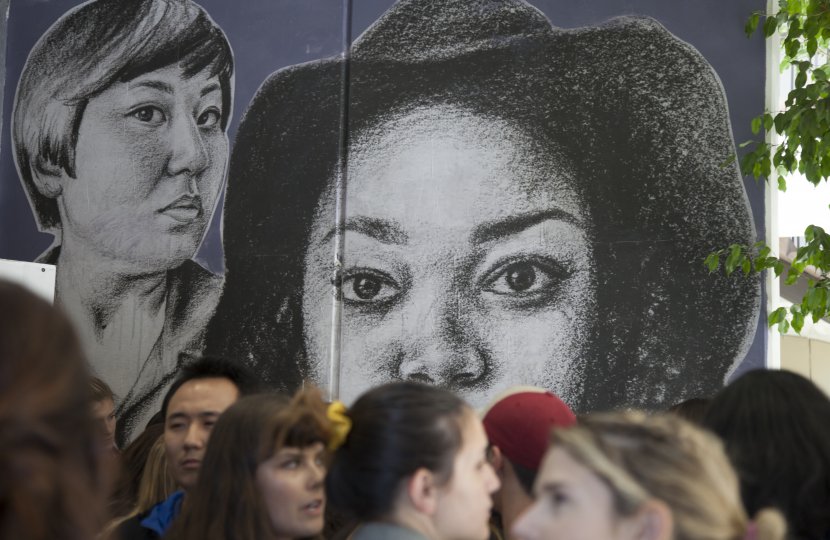
WHEN WOMEN DISRUPT (WWD) (an intersectional feminist artist collective composed of Jessica Sabogal, Tatyana Fazlalizadeh and Melinda James), collaborated with students from the “Women: Designing Media for Social Change” class. The event started out with a class discussion, then a panel discussion with the three artists and the greater USC Annenberg community. The following day, the group, along with students worked on an art installation, titled “Dismantle Whiteness and Misogyny on this Campus” which can be found outside of the ASC building on USC’s campus.

Would Americans consider putting their money in an “Amazon Bank” or “Google Financial Services”?
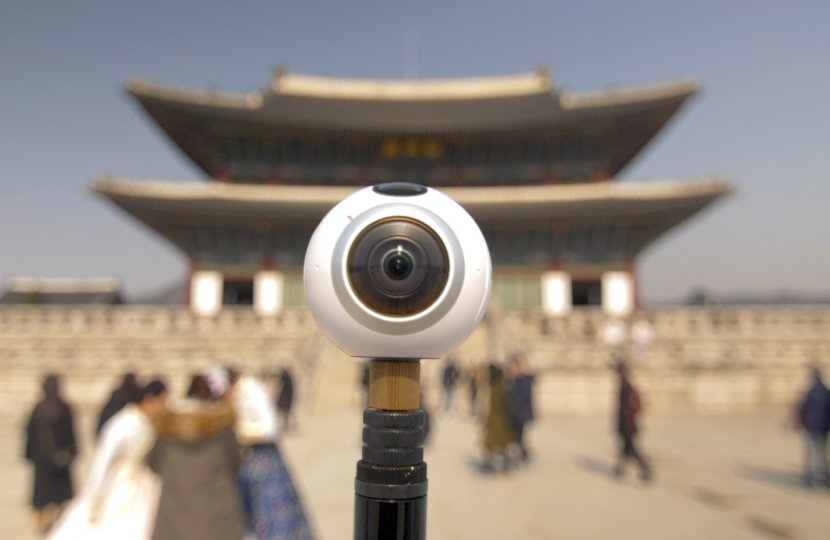
USC Annenberg has a long history of sending student interns to the Olympics. This year, in addition to a number of communication and journalism students who had the chance to work with various news organizations, the Center on Public Diplomacy partnered with Robert Hernandez’s JOVRNALISM (VR journalism) student team. They commissioned a small group to travel to South Korea for the 2018 Winter Olympics and create 360-degree videos. These immersive storytelling opportunities were focused on South Korea’s culture and peacebuilding efforts through sports diplomacy.
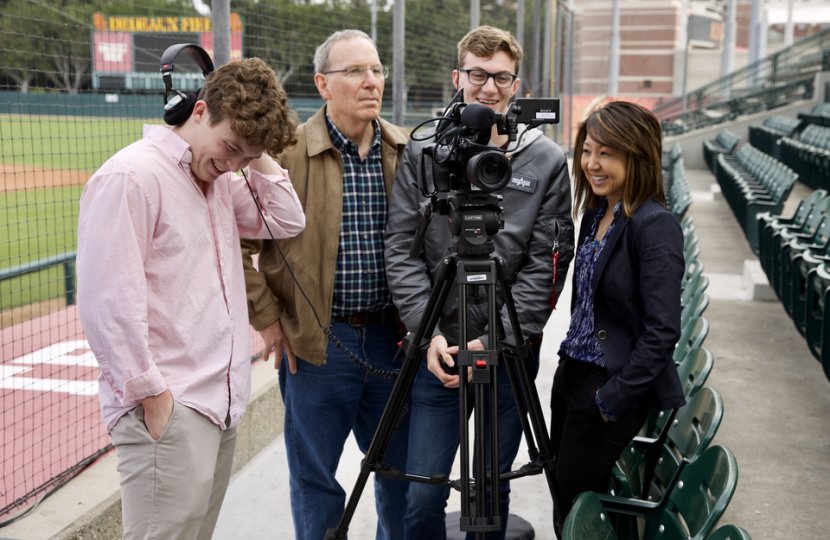
A documentary that looks at a provocative new theory about when the first people came to North America was produced by Annenberg faculty members Dan Birman and Megan Chao. But they did so at a time when the nature of documentary as a media form is changing.
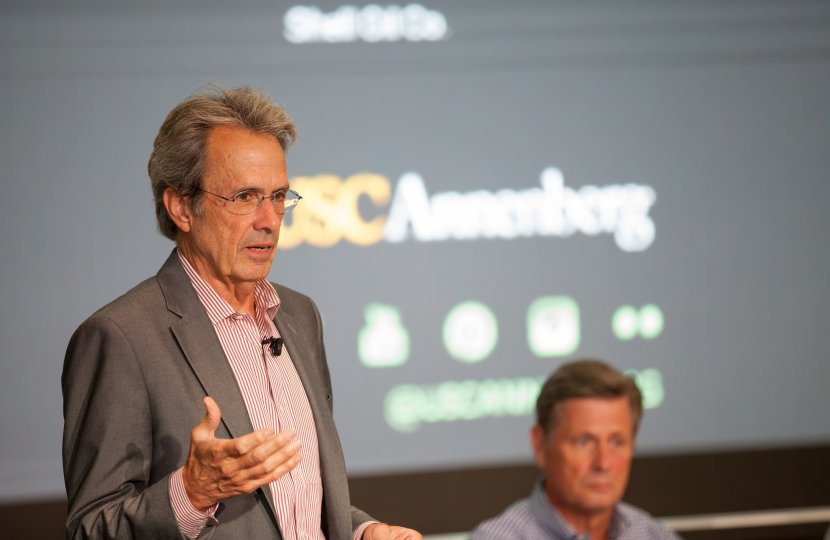
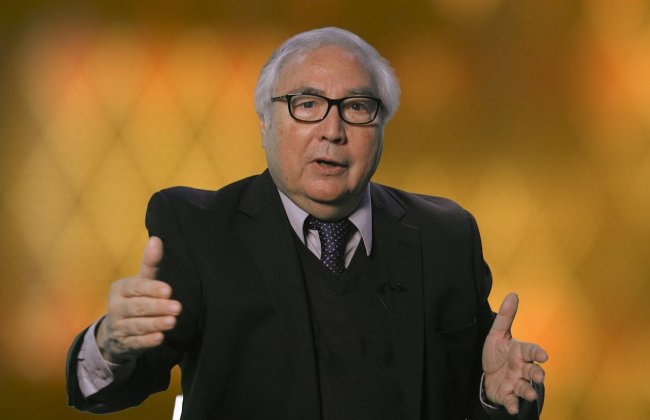
Manuel Castells, University Professor and the Wallis Annenberg Chair in Communication Technology and Society, talks about how his research charts the new global world emerging from the communication and information technology revolution, and how globalization both connects some and disconnects others.
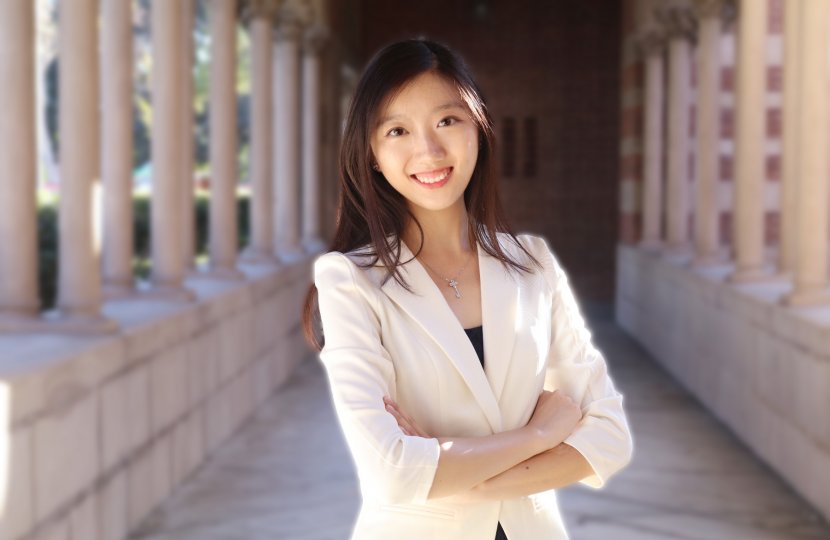
“I remember watching Obama’s inauguration in 2009 a few months after I came to the United States, and I never imagined I would be covering an inauguration eight years later while in college,” said Melody Jiang ’17, a USC Annenberg alumna with a degree in broadcast and digital journalism.