Robert Iger talks courage, talent and Disney+
“Being such a powerful person, how do you ground yourself, humble yourself and put things in perspective,” asked journalism major Spencer Petty.
Elizabeth Banks, director, writer, and producer of Charlie’s Angels, was interviewed by Professor Stacy L. Smith, founder of the Annenberg Inclusion Initiative and associate professor of communication. They discussed Banks’ latest film, her work, inclusion in film and the importance of female-driven projects.
Crosstown, a news website created by USC Annenberg and the USC Viterbi School of Engineering’s Integrated Media Systems Center (IMSC), has been awarded funding from Google for an ambitious effort to bring data-driven journalism about crime, traffic and air quality directly to Los Angeles neighborhoods.
“Find a young person in your orbit and offer your support, a bit of advice, a quick read of a presentation,” USC Annenberg Dean Willow Bay encouraged industry leaders gathered for the third annual Hedy Lamarr Awards reception at Sony Pictures Studios in Culver City.
USC Annenberg’s Center on Communication Leadership and Policy (CCLP), together with partners from across USC, is launching an innovative training program that empowers election and campaign officials nationwide to reinforce their defenses against digital attacks that may affect the integrity and outcome of elections.
Only 6% of consumers say they’re influenced by TV advertising to make a purchase decision, while 35% rely on online reviews. But when it comes to tattoos and people’s love of brands, the Harley-Davidson logo slipped down to 6% of tattoo choices this year, and people’s favorite logo to put on their bodies is a family brand, Disney. This data comes from a brand-new survey by the University of Southern California’s Annenberg School for Communication and Journalism.
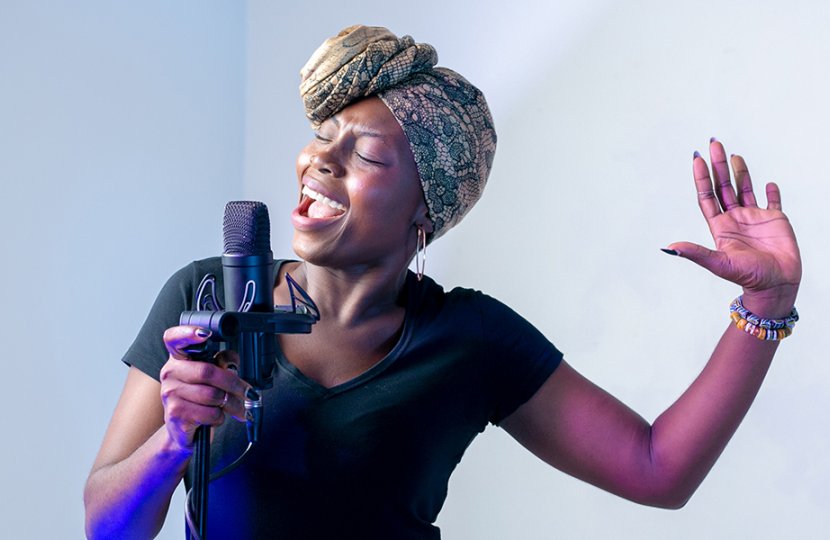
Communication (PhD) student Perry Johnson studies the intersection of popular music with issues of diversity, representation and equity. She started her research studying the statistics in the Billboard Top 100 and later shifted the study to examine how the #MeToo and #TimesUp movements started to change that conversation.
For Pedro Resendez, navigating cell phone use in his early teen years was a challenge, particularly because of the tension it caused with his parents. But, over time, the family dynamic changed.