Research at USC Annenberg
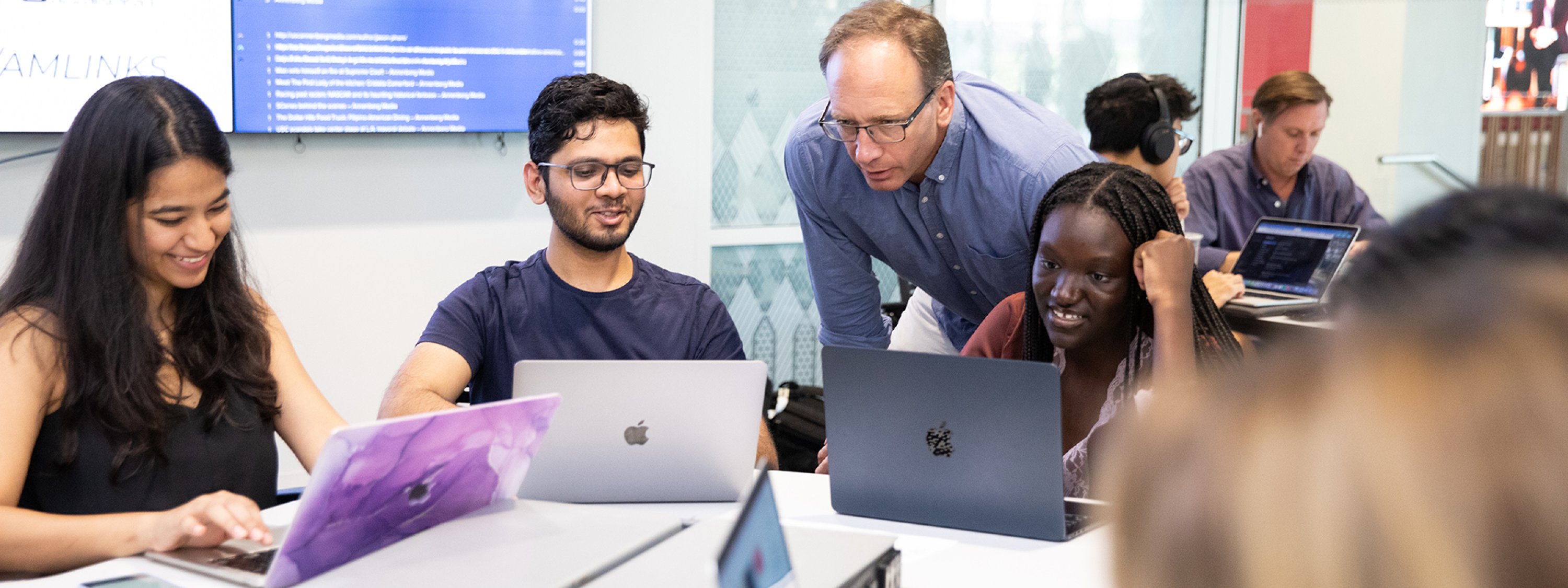
At USC Annenberg, our research is grounded in founder Walter Annenberg's conviction that every human advancement can be understood through communication and in our own belief that communication shapes every dimension of society and remains one of its most potent forces for good.
We work from a distinctive vantage point: inside USC, an R-1 research institution, and within Los Angeles, a global capital of media, culture and innovation. USC Annenberg scholars connect academe, industry and community through research that is intellectually rigorous and deeply engaged with the world it studies.
Spanning a broad array of communication disciplines, professional practice and creative inquiry, our work advances scholarship, strengthens the industries and institutions we serve, and delivers measurable results in communities. Across areas including health, democracy, journalism, culture and social justice, our researchers map how evolving media and information systems affect everyday life, interrogate who holds power within them, and test how communication can expand opportunity and improve lives.
Research at USC Annenberg is supported by leading funding agencies and foundations and drives academic discourse while informing policymakers, journalists, creators, business leaders and the public.
By bringing together scholars, practitioners and communities, we generate new knowledge that is groundbreaking, practically consequential and socially accountable, and we prepare the next generation of researchers, storytellers and leaders for a new era of impact.
Research areas
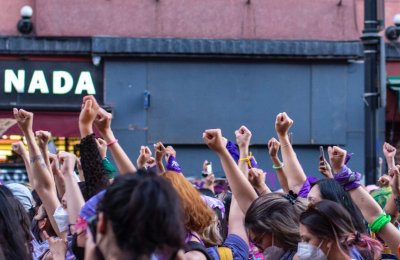
Civic Engagement and Social Justice
We study and activate principles of justice, freedom and democracy, and analyze how social justice is catalyzed and communicated through various media platforms and institutional structures.

Culture and Media
Culture gives meaning, form, and direction to our lives. We explore how culture is created and consumed — and how people use it to forge their identities.

Health
Our researchers examine communication processes and effects at different scales to design interventions that can help constitute healthy societies and achieve health equity.

Media Industries and Journalism
From traditional to emerging media, we investigate the ethical, policy, political and cultural dynamics shaping news and media industries.

Organizations, Networks and Groups
We explore the massive amounts of data these networks collect to conduct complex research on large scale social issues, such as crowd-sourcing, political campaigns, international research alliances, financial networks, and more.
Persuasion and Politics
We analyze the strategies and tactics of persuasive communications across diverse fields of advocacy including law, politics, organizations and interpersonal relations.
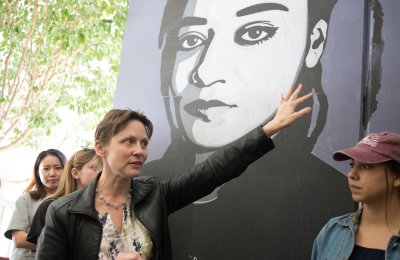
Race, Ethnicity, Gender and Sexuality
Recognizing that the inclusion and equity of all populations is critical to advancing our fields, our scholars examine how communication influences our perception of race, ethnicity, gender and sexuality.
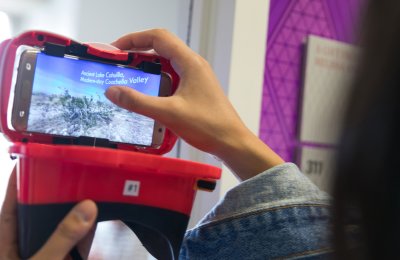
Science, Technology and Innovation
We investigate how communication technologies and infrastructures are made, the assumptions and investments that drive them, and the power they have to shape public life.

International Journal of Communication
The International Journal of Communication (IJoC) is a groundbreaking online, multimedia, academic journal launched at USC Annenberg in 2007 by preeminent scholars Manuel Castells and Larry Gross. IJoC is among the first to deliver academic journal content online free of charge, upholding the highest standards of peer review, and engaging established and emerging scholars from anywhere in the world. With a commitment to excellence in communication and media scholarship, the journal has published innovative and influential articles that have charted new courses across multiple fields of study. According to the latest statistics from Google Scholar, IJoC ranks sixth among all humanities, literature & arts journals, and ninth among communication journals.
Faculty research

Using narratives to convey health information
Sheila Murphy, professor of communication, created a study to test ways to motivate women to get screening for cervical cancer.
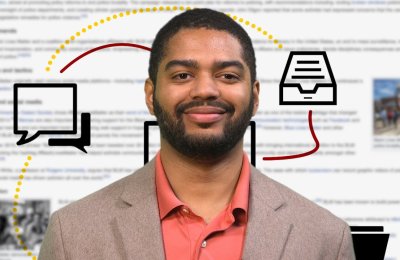
Networks, teams and interactions in the digital age
Using Github and Wikipedia to understand broader trends and patterns in the online community, Marlon Twyman II explores collective memory, collaboration and the Black Lives Matter social movement.
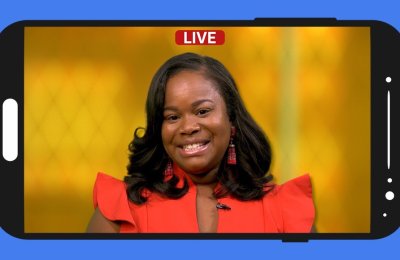
Using mobile technology for citizen journalism
Allissa Richardson’s research on using mobile devices to report on social movements and police violence led to her new book, Bearing Witness While Black: African Americans, Smartphones and the New Protest #Journalism.
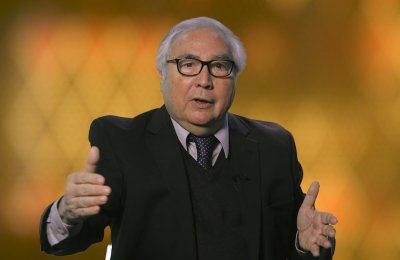
The technology revolution
Manuel Castells, University Professor and the Wallis Annenberg Chair in Communication Technology and Society, discusses the new global world emerging from the communication and information technology revolution.
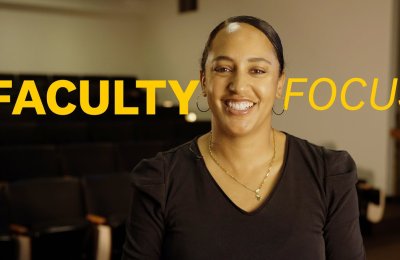
Crafting the message
Melanie Cherry analyzes social and cultural trends to understand their ripple effects on the economy.
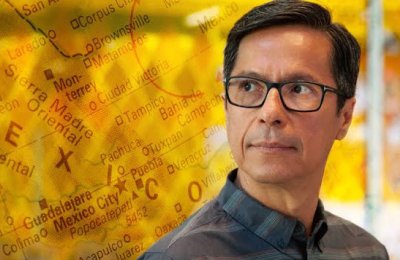
Understanding narcoculture in Mexico and the U.S.
Born and raised in Mexico, Professor of Communication Hector Amaya explores how drug violence in the country has captured our imaginations and led to new forms of participation in public culture.
Publications

Oil, Life, and Everyday Fossil Fascism: Appropriative Signification in U.S. Petroleum Supremacy
Quantifying Networked Influence: How Much Do Disinformation Spreaders’ Networks Drive Their Public Engagement Outcomes?